Safe Pediatric Dental Care
The right experience from the very first visit shapes a child’s relationship with the dentist for life.
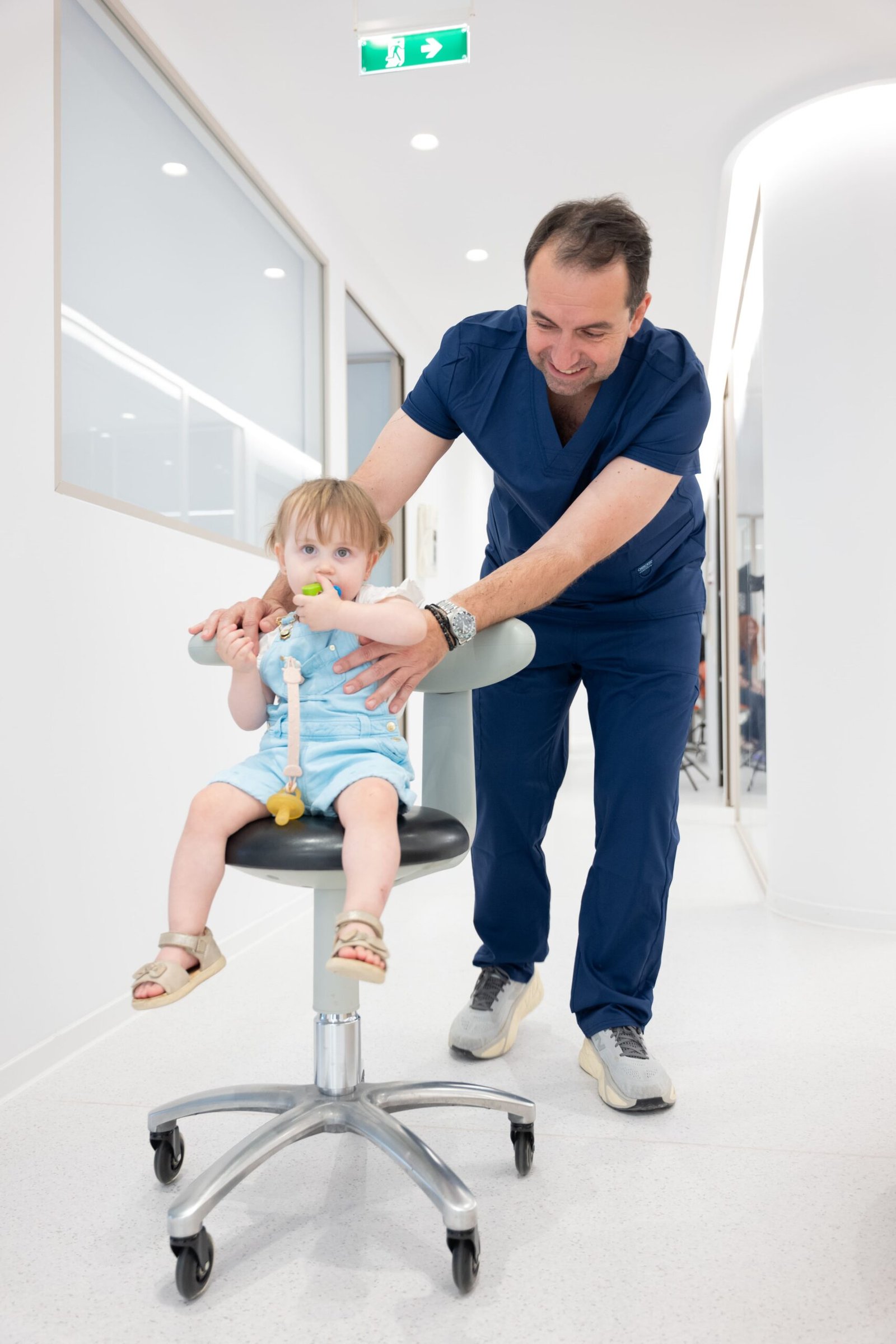
Pediatric dentistry should not be associated with fear or negative experiences. At Dental-i we create a safe and friendly environment, where every child is treated with patience, understanding and specialized approach techniques.
We combine up-to-date scientific knowledge, a child-centered philosophy and personalized treatment plans, with the aim of healthy oral development and building a positive relationship with the dentist for life.
What pediatric dental services does Dental-i offer?
The general approach at Dental-i covers a wide range of services, such as:
First Visit and Getting the Child Familiar
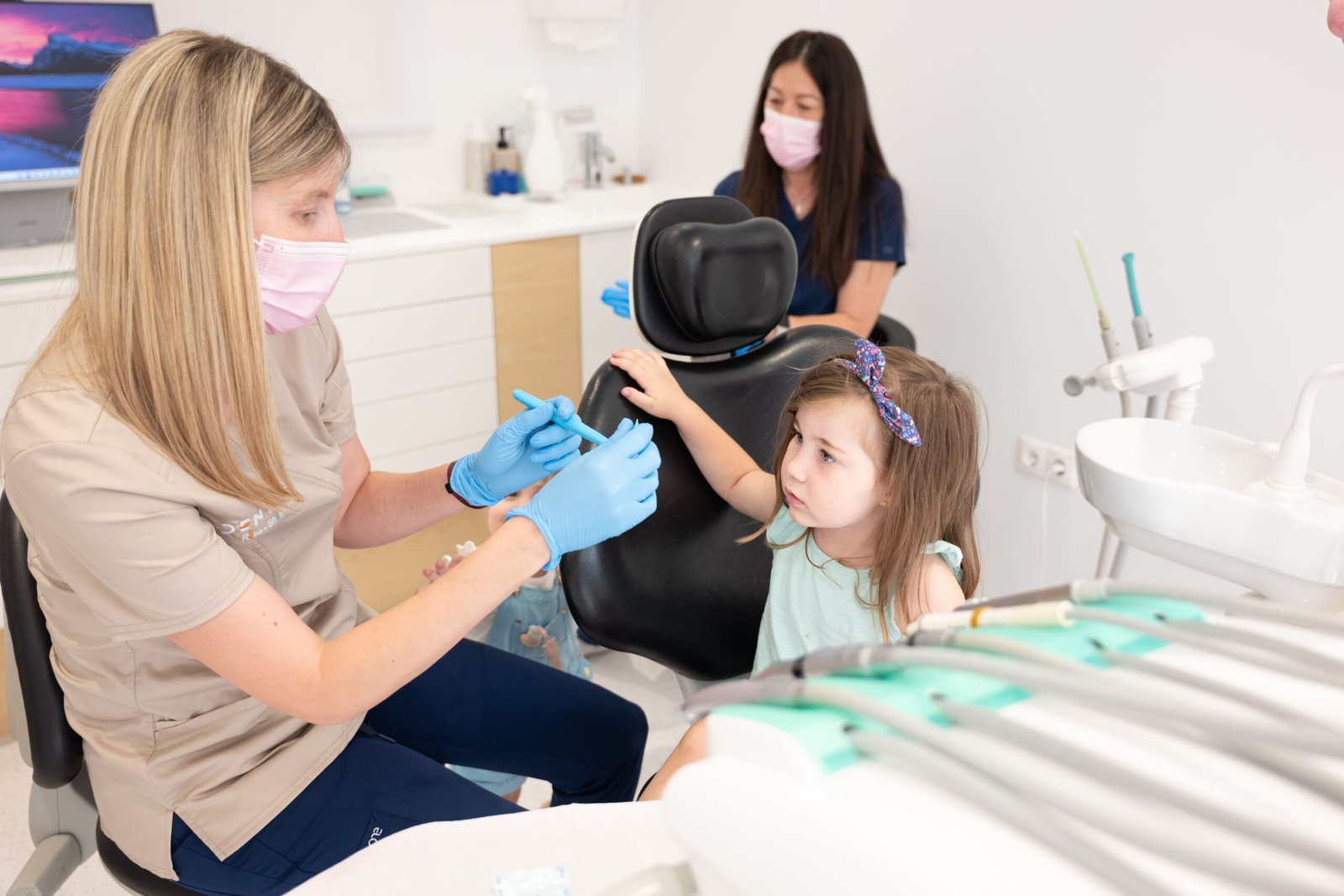
A child’s first contact with the dentist plays a decisive role in their future attitude toward oral health. At the Dental-i Kids Department, the first visit is not about treatment; it is designed exclusively for familiarization, observation and gentle assessment.
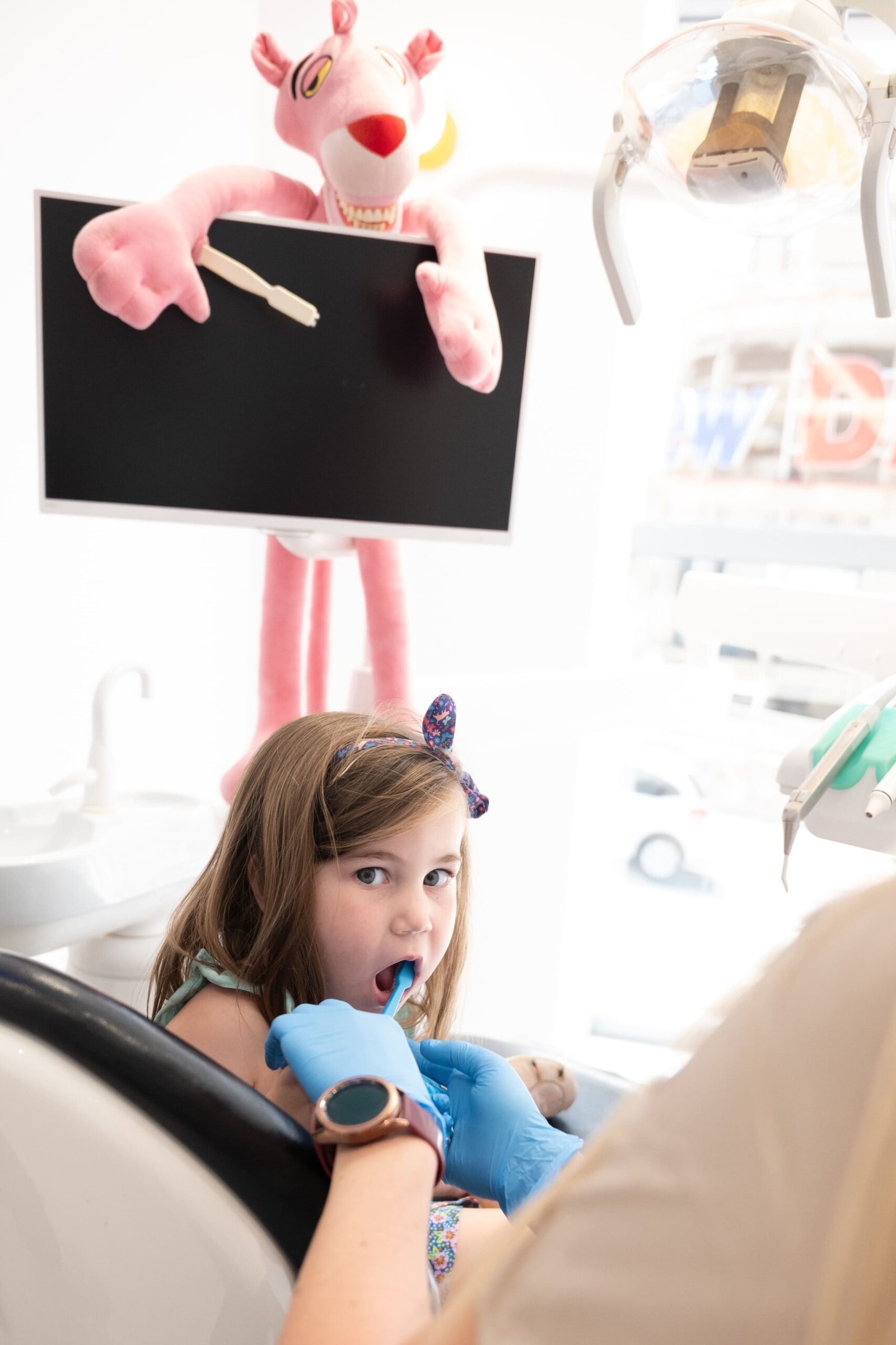
We follow internationally accepted pediatric dental behavior-guidance protocols, such as the Tell–Show–Do technique, positive reinforcement and gradual exposure to the dental environment. Our goal is for the child to understand what is happening around them and to feel in control and safe, without pressure or fear.
During the first visit, we assess the development of the oral cavity, the condition of the teeth and gums, and oral hygiene habits. At the same time, parents receive clear, evidence-based instructions tailored to the child’s age and needs.
Preventive Pediatric Dental Care
Prevention is the core of modern pediatric dentistry and the foundation of our philosophy at Dental-i. Preventive care aims to maintain oral health, identify risks early and avoid invasive treatments in the future.
We apply personalized preventive protocols, in line with the guidelines of international pediatric dentistry organizations, which include regular checkups, professional cleaning, fluoride applications and pit and fissure sealants where indicated.
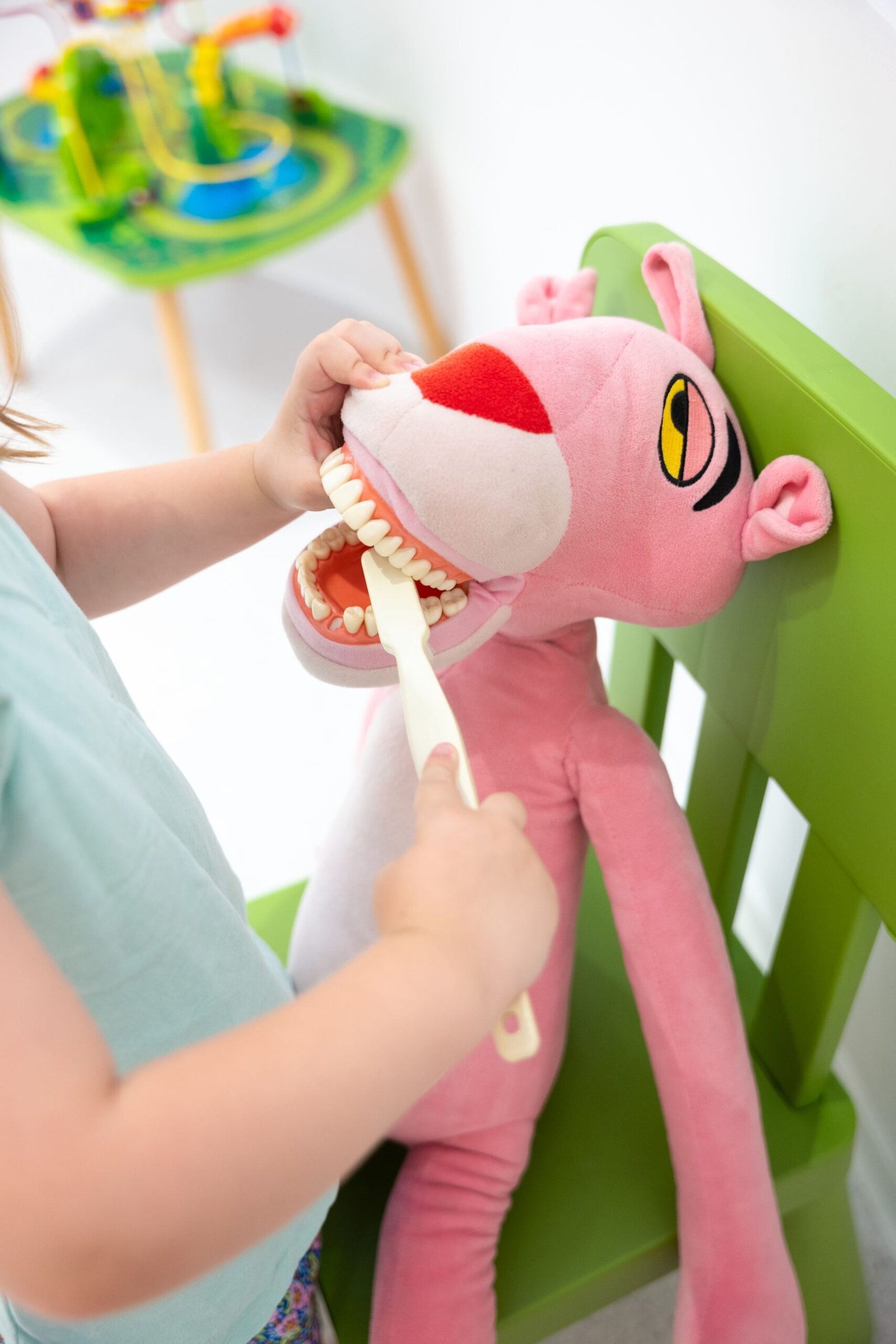
Particular emphasis is placed on educating both the child and the parents, with practical guidance on proper oral hygiene, diet and daily habits. This way, prevention becomes part of everyday life and not just an occasional visit to the dental office.
Restorative Pediatric Dentistry
Restorative pediatric dentistry at Dental-i focuses on restoring children’s oral health with methods that respect the biology of the teeth and the psychology of the child. Every treatment is based on an accurate diagnosis, clinical assessment and a personalized care plan, in line with modern pediatric dental protocols.
We treat cavities, inflammation and injuries of the baby and permanent teeth with minimally invasive techniques, preserving as much healthy tooth tissue as possible. Where required, specialized pediatric restorations and pulp therapy are performed, with the aim of preserving the function of the teeth until their natural replacement.
Particular importance is placed on properly managing anxiety and pain, so that treatment is carried out safely, comfortably and cooperatively, without creating negative experiences that affect the child’s future attitude toward the dentist.
Cosmetic Dentistry for Children
Cosmetic dentistry in childhood is not only about appearance, but about properly restoring the natural shape, function and harmony of the teeth. At Dental-i, esthetic treatments for children are carried out only when there is a clear clinical indication, and always with a conservative philosophy.
We treat esthetic problems resulting from decay, injuries or developmental anomalies of the teeth, using modern materials with high esthetics and biocompatibility. Restorations are designed to blend with the child’s natural smile and to support the healthy development of the oral cavity.
Esthetic restoration in children contributes substantially to their self-confidence and psychosocial development, especially in cases where their smile affects their daily life. Every treatment is guided by the child’s present as well as future oral health.
Treatment of Dental Trauma
Dental trauma is a common occurrence in childhood and requires immediate, well-organized treatment. At Dental-i we follow internationally recognized diagnostic and treatment protocols, with the aim of preserving the vitality of the teeth and preventing long-term complications.
The assessment includes a detailed clinical and radiographic examination, so that the type and severity of the injury can be determined accurately. Depending on the case, conservative or invasive treatments are applied, always with respect for the child’s age and the developmental stage of the teeth.
Particular emphasis is placed on keeping parents properly informed and on monitoring the child over time, as some injuries require re-evaluation to ensure the healthy progression of oral health.
Early Orthodontic Intervention
Early orthodontic intervention aims at the early identification and guidance of problems in the development of the jaws and the bite. At Dental-i, the assessment is carried out at the appropriate age, in line with modern guidelines, in order to identify irregularities that can be corrected or limited in time.
Through personalized planning, gentle interventions are applied that support the healthy development of the stomatognathic system, reducing the need for more extensive orthodontic treatment in the future. Monitoring of development is ongoing and adapted to the needs of each child.
Early intervention does not aim only at esthetic improvement, but mainly at functional balance, dental health and proper breathing and chewing, creating solid foundations for future oral health.
Pediatric Dentistry for Infants, Children and Teenagers
Pediatric dental care at Dental-i covers the entire range of development, from infancy to adolescence, with a different approach and protocols for each stage. Monitoring begins with the appearance of the first baby teeth, with the aim of preventing decay early, properly guiding parents and building healthy oral hygiene habits.
During childhood, care focuses on maintaining the health of the baby and permanent teeth, preventing and promptly treating cavities, and the proper development of the bite. Personalized preventive and restorative protocols are applied, in line with international pediatric dental practice, always with respect for the child’s cooperation and psychology.
In adolescence, the approach adapts to the increased functional and esthetic demands of that age. Monitoring includes growth checks, prevention of periodontal problems, cavity management and guidance on oral hygiene, diet and orthodontic needs. Our goal is a smooth transition from pediatric to adult dental care, with solid foundations for long-term oral health.
Pediatric Dentistry for Special Needs
Pediatric dental care for children with disabilities or special needs requires specialized knowledge, experience and complete respect for the particular circumstances of each child and family. At Dental-i we apply personalized prevention and treatment protocols, taking into account the medical history, the child’s ability to cooperate, as well as any functional and sensory difficulties that may coexist.
Our approach is based on gradual familiarization, clear communication and creating a safe and predictable environment. Where required, we adapt the duration, pace and techniques of treatment, following international pediatric dental protocols for children with increased care needs. Our goal is to maintain oral health in the least invasive way and to avoid painful or stressful experiences.
When the case makes it necessary, we can collaborate with other medical specialties and support professionals, so that care is comprehensive and safe. Our priority remains the child’s quality of life and supporting the parents at every stage of the treatment process.
Treating Anxious Patients
Many children and teenagers experience intense anxiety or fear of the dentist, often due to a previous traumatic experience or simply because they feel a lack of control. At our practice we place particular importance on the psychological approach and on building trust.
Our goal is for the child to regain a sense of control, reduce their anxiety, build a trusting relationship with the pediatric dentist and gradually develop a positive attitude toward caring for their teeth.
For children with intense fear, there is the option of inhalation sedation (conscious sedation) with nitrous oxide, also known as "laughing gas".
- It is safe and is indicated for children over 4 years old
- The child remains awake, calm and cooperative
- The effect is mild and reversible, and helps create a positive first experience
This method does not replace cooperation — it supports it, so that anxiety is reduced and treatment can be carried out safely and calmly.
Sedation and Hospital-Based Pediatric Dentistry
In some cases, the conventional dental approach is not enough to ensure the child’s safety, cooperation or psychological comfort. Pediatric dentistry under sedation or in a hospital setting is an evidence-based solution for children with intense anxiety or extensive treatment needs, very young children, or children with accompanying medical and developmental issues.
At Dental-i, the choice of sedation is made strictly according to international pediatric dentistry and anesthesiology guidelines, after a full clinical assessment and detailed information for the parents. The procedure is carried out in collaboration with a specialized anesthesiologist and, where required, in a certified hospital setting, with continuous monitoring of the child’s vital signs.
Hospital-based pediatric dentistry allows multiple or demanding treatments to be completed in a single session, reducing the overall psychological and physical burden on the child.
Our priority remains complete safety, minimizing trauma and maintaining a positive relationship between the child and dental care in the future as well.
Benefits of Pediatric Dental Care
Pediatric dentistry at Dental-i offers:
Every visit is organized in a way that reduces anxiety and helps the child feel comfortable and safe in the dental office.
At Dental-i, pediatric dental care is based on gradual familiarization, calm communication and techniques that allow cooperation without pressure. The goal is for the dental experience to be associated with calm and trust, so that the child builds a healthy relationship with the dentist from a very young age.
Managing a child in the dental office requires specialized knowledge, patience and a proper understanding of their age and behavior.
At Dental-i, the approach is adapted to each child’s developmental stage, psychology and particular needs, so that treatment is carried out in the right way and at the right time. This allows for more meaningful cooperation, better prevention and safer treatment of even more demanding cases.
Pediatric dental care is supported by modern methods and equipment that improve diagnostic accuracy and the proper organization of treatment.
The use of advanced technologies allows more targeted interventions, better control of each case and greater predictability of the result. This way, treatment becomes more effective, more comfortable for the child and clearer for the parents.
Every child has different needs, a different pace of development and a different level of cooperation.
For this reason, no one-size-fits-all solutions are applied; instead, a personalized treatment plan is developed based on the clinical picture, age, habits and overall oral condition of the child. This achieves better prevention, timely intervention and a more stable course of oral health over time.
Safety is a constant priority in every form of pediatric dental care, from a simple preventive checkup to more complex treatments.
Strict protocols for clinical assessment, organization and monitoring are followed, so that every child is treated in the safest and most appropriate way.
Even in cases where general anesthesia or hospital-based management is required, the procedure is planned with the utmost care, scientific evidence and an emphasis on protecting the child and reassuring the parents.
Does My Child Need a Pediatric Dentist?
Pediatric dentistry is necessary when:
• The child has cavities or sensitivity
• There is fear or refusal to cooperate
• A tooth has been injured
• There are bite or developmental problems
• Prevention and guidance on oral hygiene are needed
Our Approach
Every child is different. That is why we tailor treatment to their age, behavior and needs, creating an environment of trust and safety.
Our Office