
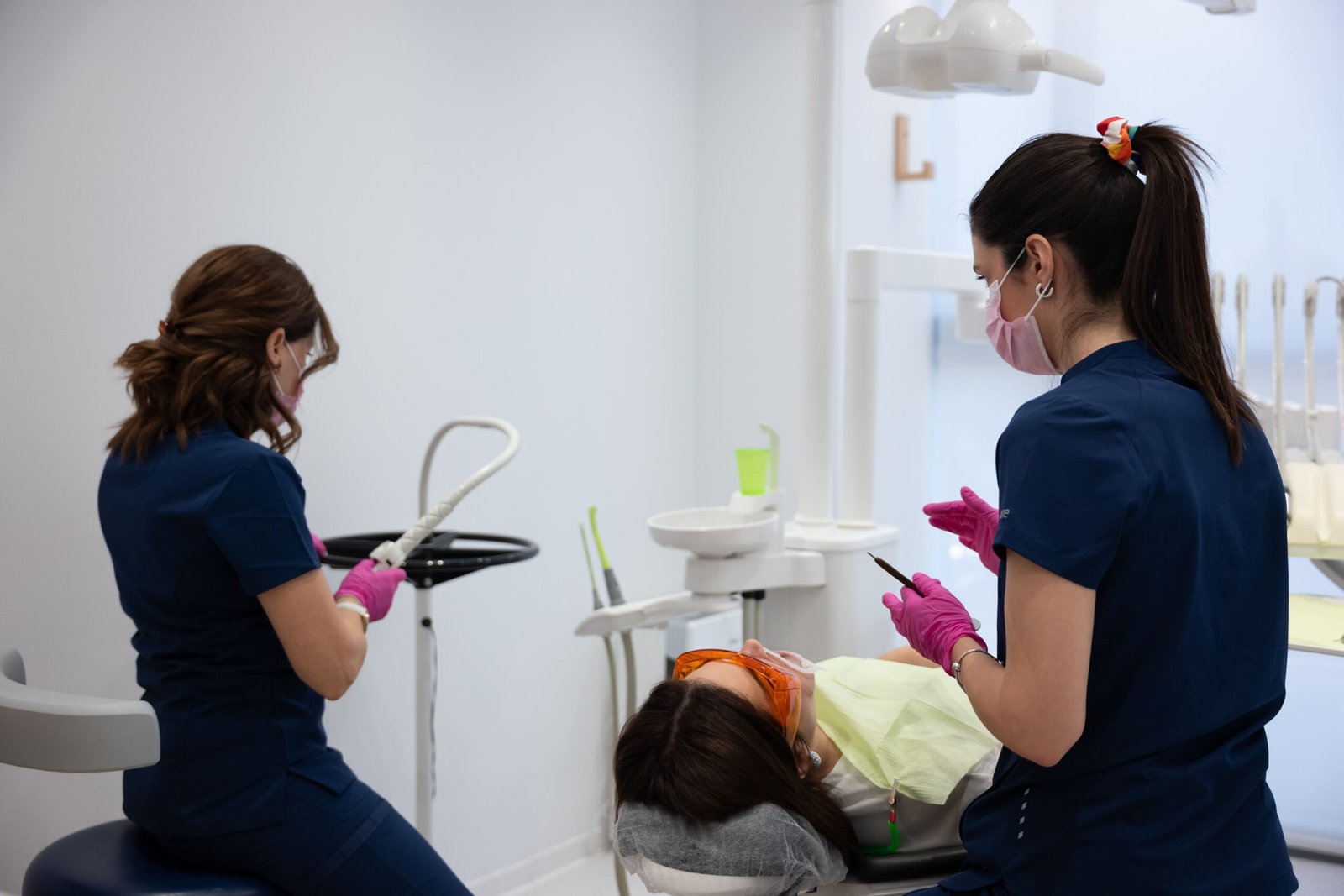
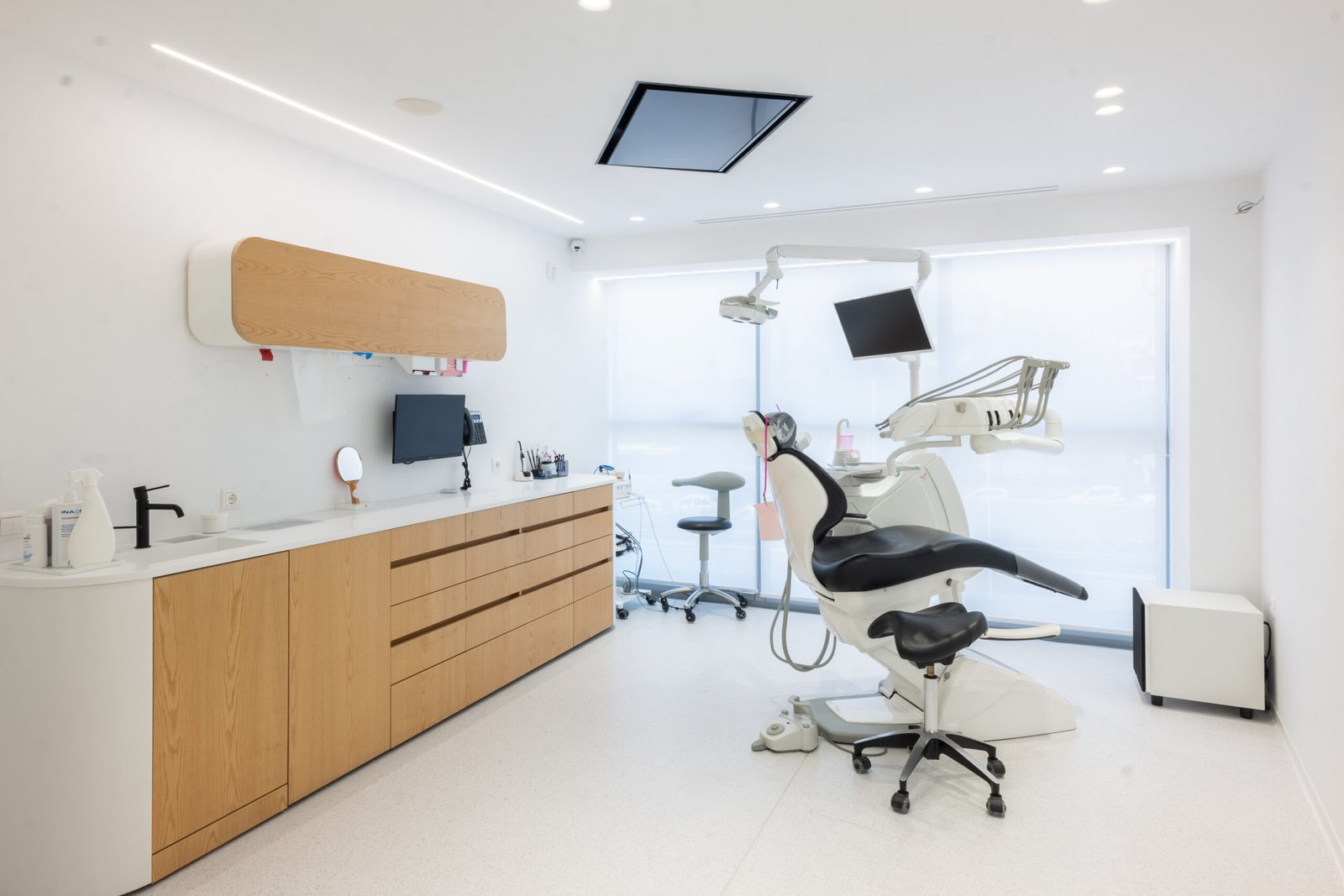




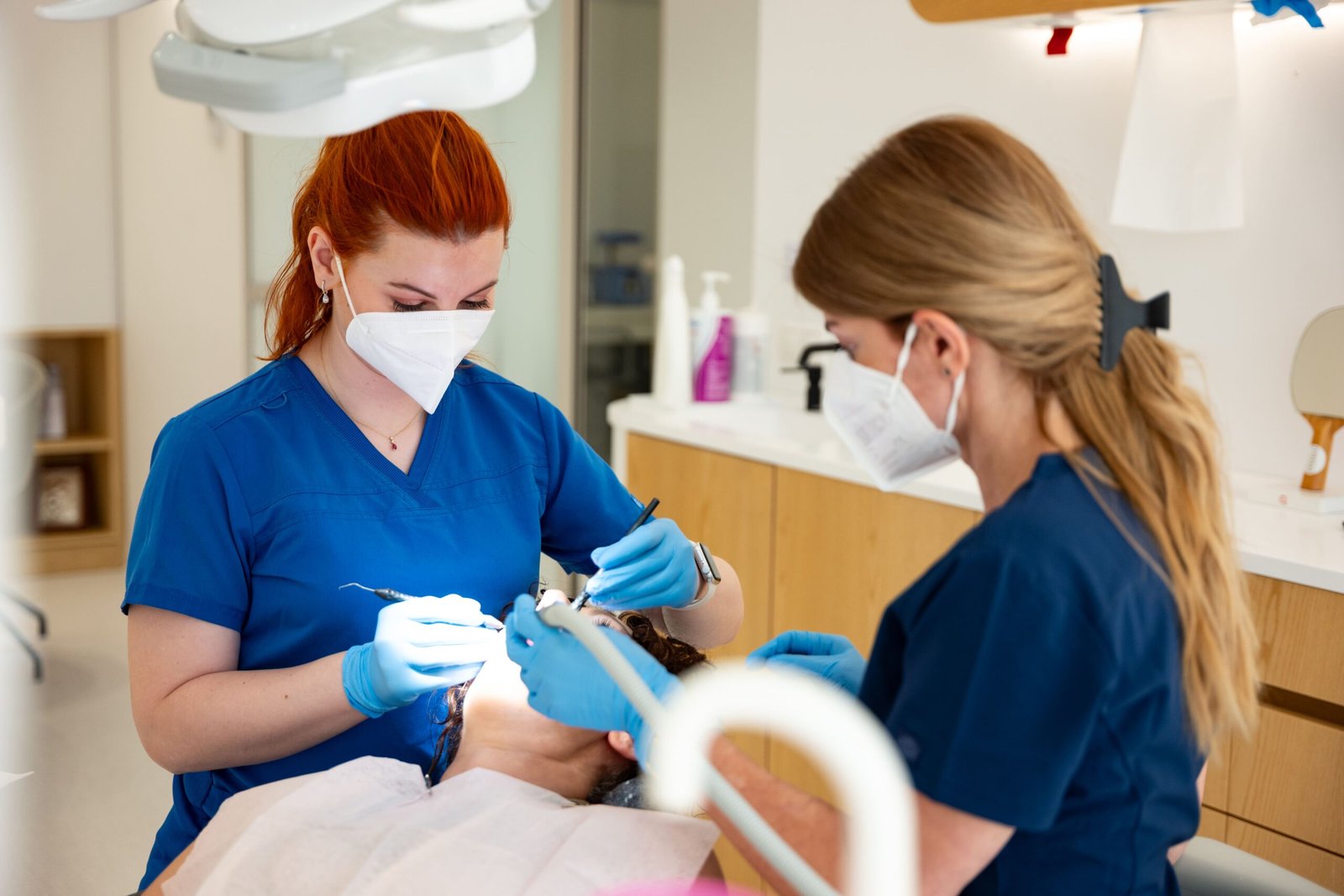
When a tooth cannot be saved, a wisdom tooth needs to be removed, or there is a cyst or other pathology, oral surgery is needed. The word "surgery" often scares people — but most modern oral procedures are done under local anesthesia, in a few minutes, without pain, and with a quick recovery.
At Dental-i all surgical procedures are performed in a sterile environment, with modern equipment (piezosurgery instruments, latest-generation biomaterials), and in some cases with minimally invasive methods.
Most common procedures
Tooth extractions: simple, surgical, and wisdom tooth extractions (properly positioned or impacted).
Wisdom teeth (3rd molars): the most common surgical procedure. Removed when they cause inflammation, shifting of neighboring teeth, cysts or tumors.
Root resection / apicoectomy: when a root canal treatment has failed — surgical removal of the root tip and sealing with bioceramic material.
Sinus lift: before placing implants in the back of the upper jaw, if there is not enough bone.
Bone grafting: replacement of lost bone. Autogenous, allogeneic or synthetic biomaterials.
Cyst removal: radicular cyst, keratocyst, developmental disorders. Early removal prevents expansion and bone damage.
Frenectomy: removal of the frenulum when it is too short.
Biopsies: for suspicious lesions — early diagnosis of oral cancer.
IV sedation
For complex procedures or for patients with intense anxiety, we offer intravenous sedation — not general anesthesia. You remain conscious but completely relaxed. You don’t remember details of the procedure. It is administered by a specialized anesthesiologist.
After the procedure
First 24 hours: mild swelling, ice packs every 20 minutes for the first 4 hours, avoid hard foods, smoking and hot drinks.
Days 2-7: symptoms gradually subside, salt water rinses after the first 24 hours. Follow-up visit at 7-10 days.
When to call: severe, increasing pain after the 3rd day, unexplained fever, bleeding that cannot be controlled, major swelling that is spreading. We have a 24/7 line for emergencies.
Frequently Asked Questions
Does a tooth extraction hurt?
Not during the procedure. Afterward there may be mild pain, controlled with a common painkiller for 2-3 days.
Do I absolutely have to have my wisdom teeth removed?
Not always. If they are properly positioned, healthy and not causing problems, they can stay. Removal is recommended when they are impacted, inflamed, or cause decay in the neighboring teeth.
How long does recovery take after an extraction?
Tooth: 7-10 days for complete soft tissue healing, 3-4 months for bone healing. Wisdom tooth: 7-14 days for relief.
Can I go back to work afterward?
Yes, the next day in most cases. For wisdom teeth or complex surgery, 2-3 days of rest.
What do I do if I break a tooth in an accident?
Call the emergency line immediately. If the whole tooth has come out, put it in milk or saline solution and bring it in right away — within 1 hour there is a chance it can be replanted.
Are surgical procedures safe for the elderly?
Yes, with proper preparation. We work with the treating physician for patients with chronic conditions, on blood thinners, or with other special circumstances.