

Home › Articles › Orthodontics Orthodontics Invisalign or braces: what the real differences are Dr Efi Fotakidou Orthodontist · 9 min read · October 2026 The question is almost always framed as a matter of preference, as if you were choosing between two equivalent things based on how visible they are. But clear aligners and …


Orthodontics

Invisalign or braces: what the real differences are

The question is almost always framed as a matter of preference, as if you were choosing between two equivalent things based on how visible they are. But clear aligners and fixed braces move teeth in different ways, and that difference is what determines which cases each one suits.
In this guide you will see how each method works, where they really differ in everyday life, in which cases fixed braces remain the right choice, and what applies to both once treatment is over.
The short answer
Both methods straighten teeth. Clear aligners are more discreet and easier to keep clean, in exchange for requiring consistency from the patient themselves. Fixed braces work regardless of the patient’s willpower and give better control over complex movements. The choice comes from the type of problem, and in some cases the type of problem decides it on its own.
How each one works
Fixed braces are brackets bonded onto the teeth and joined by a wire. The orthodontist adjusts the wire at each appointment, and the force is applied continuously, twenty-four hours a day, without depending on the patient.
Clear aligners are a series of pairs of precision aligners, made from a digital scan of the mouth. Each pair moves the teeth one very small step and is changed roughly every one to two weeks. The force is applied only while the aligner is in the mouth.
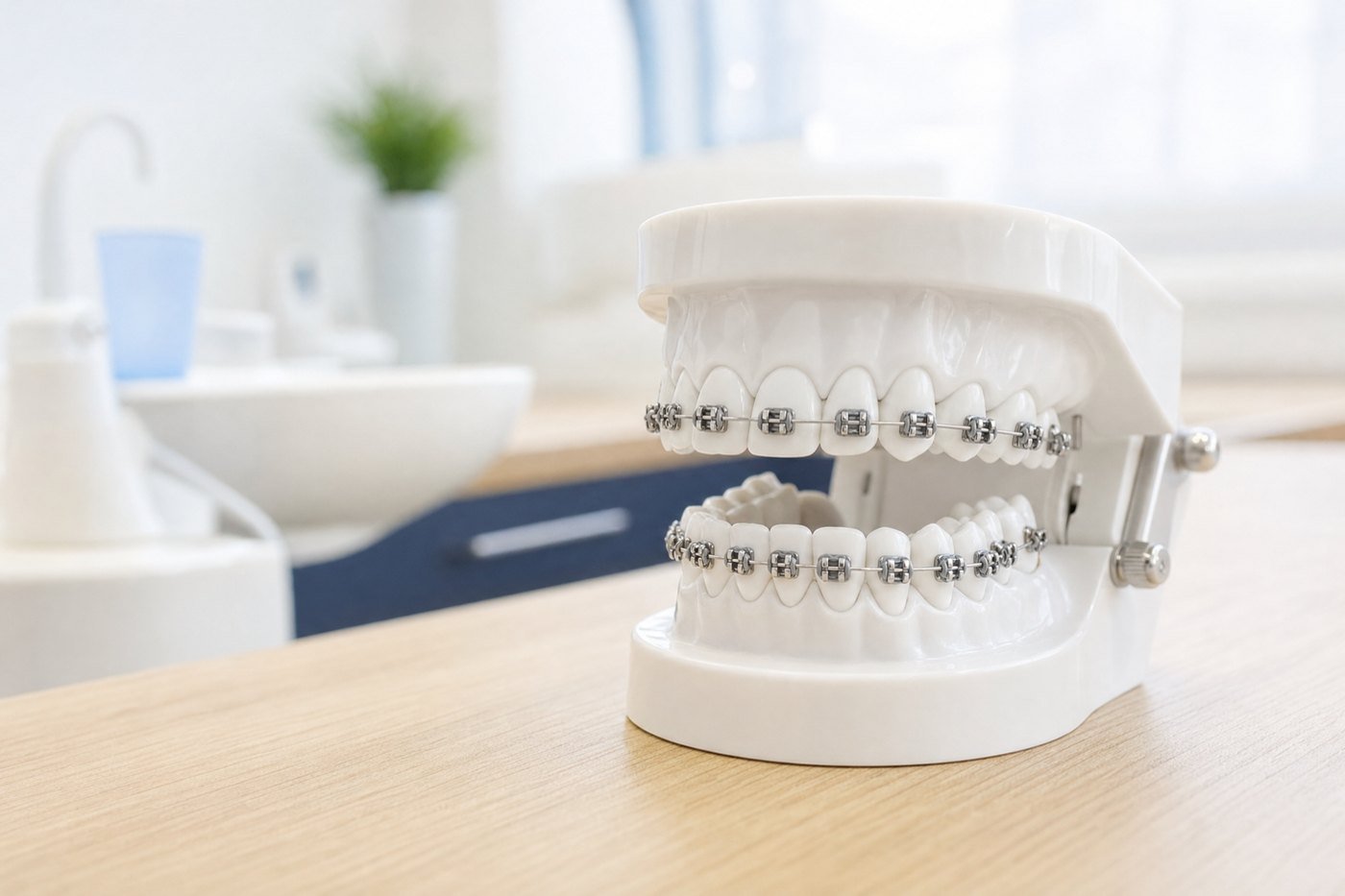 Fixed braces: brackets and wire
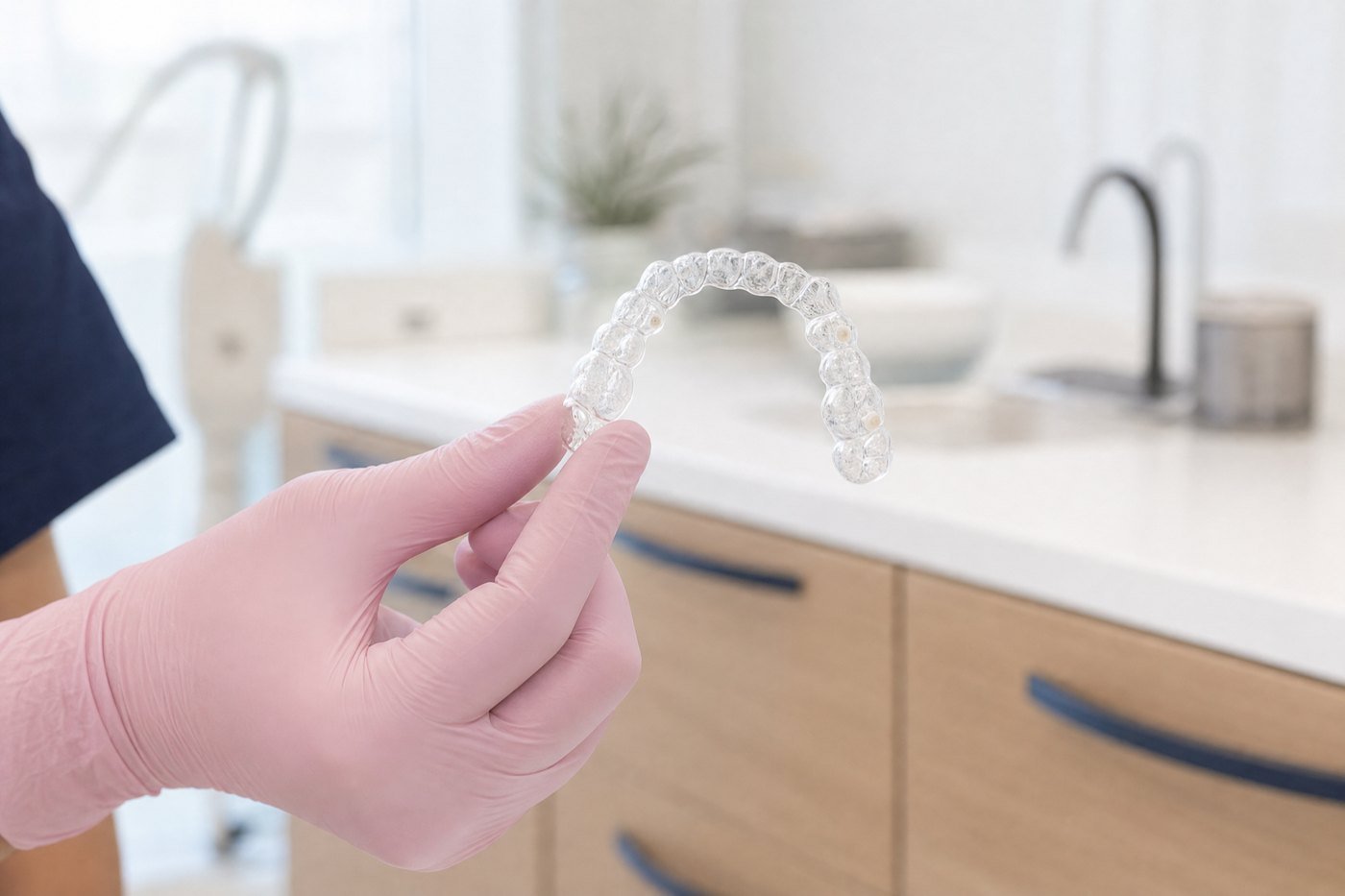 Clear aligner
This is where the essential difference between the two methods comes from: with fixed braces, treatment moves forward regardless, while with aligners it moves forward only as long as you wear them.
What happens before anything starts
Both methods start from the same point, and this is the most important stage of the whole treatment. There is a clinical examination, X-rays, and a digital scan or impression of the mouth. Based on these, the orthodontist sees exactly what needs to move, in which direction, and what is in the way today.

Patients are often surprised that treatment doesn’t always start right away. When there is tooth decay or gum inflammation, these are treated first, because teeth that move within inflamed gums lose support. The order in which things are done is a matter of safety here.
The question of consistency
Aligners are worn about 18-20 hours a day and come out only for eating and brushing. For most people this turns out to be easier than it sounds, but there are also some who genuinely struggle. A pair left forgotten for a few days can mean that the next one no longer fits properly and that you need to go back a step.
The most honest way to think about the choice is to ask whether the method suits the lifestyle and discipline of the particular person, not which of the two sounds better on paper.
How invisible aligners really are
They are quite discreet, without being completely invisible, and it’s worth knowing this from the start. In most cases, small tooth-colored resin bumps are placed on the teeth, the so-called attachments, which give the aligner something to grip in order to make the movement, and they stay on the teeth for the whole duration of treatment.
In good light and up close, someone who is looking will notice that you are wearing something, while in a normal conversation they go unnoticed.
Everyday life with each one
- Eating. Aligners come out and you eat whatever you like. With fixed braces there are real restrictions, mainly on very hard and sticky foods that knock the brackets loose.
- Hygiene. Aligners come out, so you brush normally. Fixed braces require clearly more effort, with interdental brushes and special floss, and they are the biggest cause of gum problems during treatment.
- Discomfort. Both apply pressure, especially in the first days of each step or adjustment. Fixed braces also add irritation from the brackets on the inside of the lips.
- Appointments. With aligners, appointments are usually fewer and shorter, because there is no wire adjustment. With fixed braces they are more regular.
- Mishaps. A bracket that comes loose needs an unscheduled appointment. A lost aligner is usually dealt with by using the previous or the next pair, after instructions from us.
When fixed braces remain the right choice
Today aligners treat cases that ten years ago were considered beyond their capabilities. But there are still situations where fixed braces control the movement better:
- severe skeletal discrepancies, where the issue is not only the position of the teeth but the relationship between the jaws
- large movements, especially when gaps from extractions need to be closed
- severely rotated teeth, which are hard for an aligner to grip
- impacted teeth that need to be pulled into position
- cases where consistent wear is not realistic
There is also a third option that is often overlooked. Lingual braces are placed on the inner side of the teeth, so they are not visible at all, and they offer the control of fixed braces without their visibility.
How long each one takes
The two methods differ less than people think, and in comparable cases the duration comes out essentially the same. What determines it is how much and what kind of movement the case itself needs. With aligners, there is also the factor of consistency, which can significantly lengthen a treatment that started with a good estimate of the time.
Retention after each method
After completion, with either method, the teeth tend to move back toward their old position. This is normal biological behavior of the tissues that support the tooth, which is why retainers always follow, either a thin wire bonded behind the front teeth or a clear retainer worn at night.
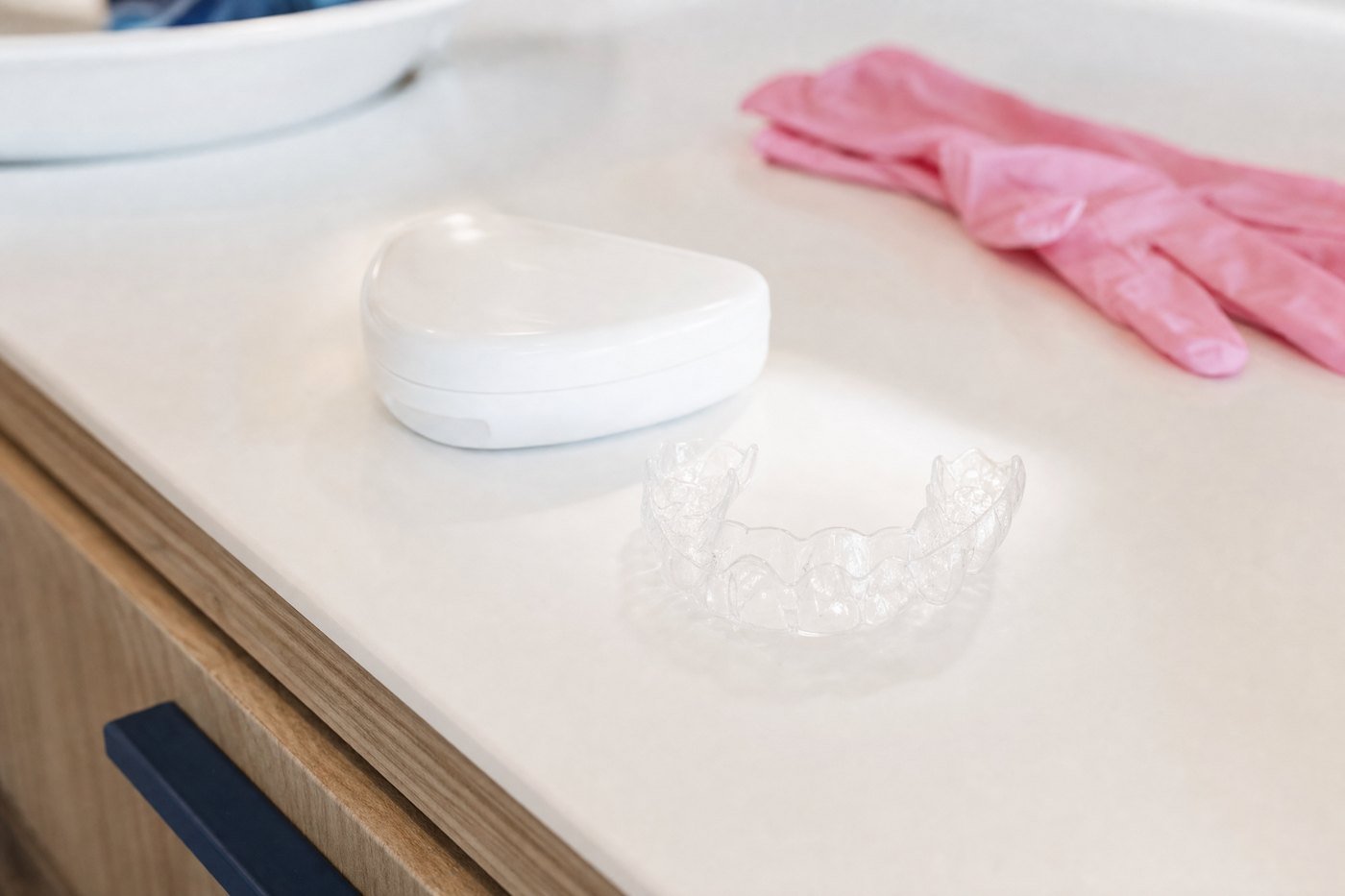
Relapse after successful orthodontic treatment is often due to retainers that stopped being worn, not to the method chosen at the start.
The myths we hear most often
- “Aligners are for easy cases.” That used to be true, while today they also treat complex cases, without yet covering all of them.
- “They are completely invisible.” Almost, but the attachments are there and can be seen up close.
- “Braces are only for kids.” Orthodontics has no age limit. Bone responds in adults too; treatment is simply planned differently.
- “I’ll finish faster with aligners.” The method on its own doesn’t shorten anything, since the duration is determined by the case.
Our rule: the method is chosen after the examination, not before. Anyone who tells you what you will have done before seeing an X-ray and a scan is guessing.
Orthodontics in Ilioupoli
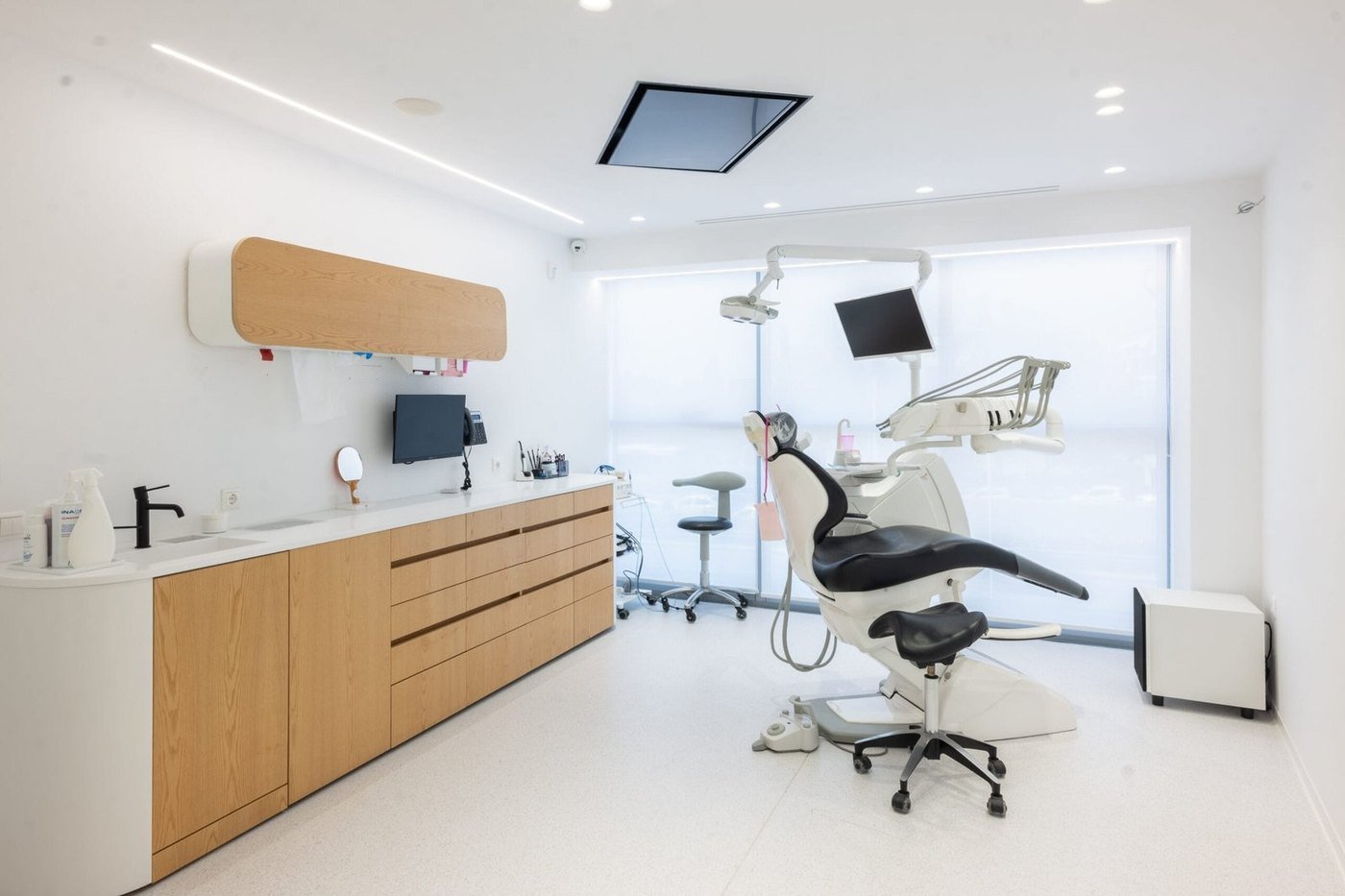
At Dental-i, in Ilioupoli, orthodontic treatments are carried out by a specialist orthodontist. All three approaches are offered, clear aligners, fixed braces and lingual braces, and they are compared on your own case. At your first visit you will see what really needs to be corrected, which methods achieve it, and what each one means for your everyday life.
See which method suits your case
An orthodontic assessment shows what needs to be done and which options achieve it, before you decide anything.
Frequently asked questions
There is no general answer. Both methods straighten teeth, in different ways. Aligners are more discreet and easier to keep clean, but they require consistency. Fixed braces work regardless of your willpower and give better control over complex movements. The choice is made based on the specific case.
About 18-20 hours a day. They come out for eating and brushing and go back in right afterward. Treatment moves forward only while you wear them.
Barely, in a normal conversation. Up close, though, you can make out the attachments, the small tooth-colored resin bumps that are placed so the aligner can make the movement.
Both give a feeling of pressure, mainly in the first days after each new pair of aligners or each wire adjustment, and this feeling subsides on its own within a few days. Fixed braces also add possible irritation from the brackets on the lips, especially at the start.
With aligners, yes, because you take them out. With fixed braces there are restrictions on very hard and sticky foods, which knock brackets loose and add unscheduled appointments.
No, it is not too late. Orthodontics has no age limit, and bone responds in adults too. What changes is the planning, which takes into account the condition of the gums and any old restorations.
Yes, and it is common. What decides the result at this age is consistent wear. If there is doubt about whether they will be worn consistently, fixed braces are the safer choice because they don’t depend on it.
Contact the office the same day. Usually the solution is to go back to the previous pair or move on to the next one, depending on where you are in treatment. The worst thing you can do is stay without an aligner while waiting for your appointment.
Yes, with both methods. Teeth tend to move back toward their old position, especially within the first year, so retainers are a normal stage of treatment.
There are lingual braces, which are placed on the inner side of the teeth and can’t be seen from the outside. They combine the control of fixed braces with complete discretion, and they are considered depending on the case.
Author of the article: Orthodontist in Ilioupoli
Dr Efi Fotakidou
Specialist orthodontist with international training, at Dental-i in Ilioupoli. She combines academic excellence with clinical experience across the full spectrum of orthodontic treatment, from children and adolescents to adults.

